
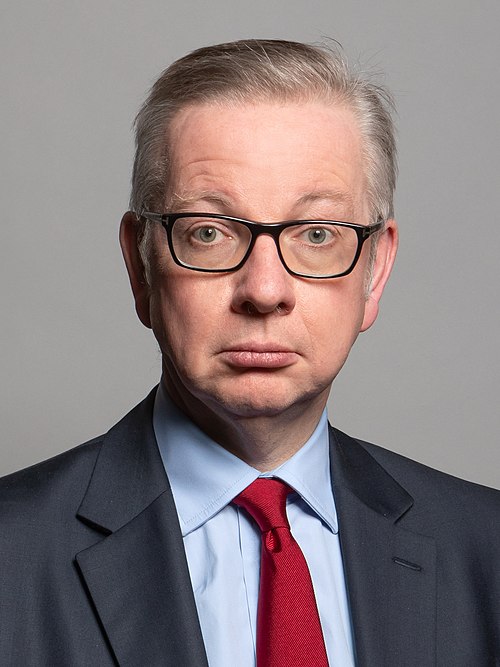
I watched some of this Teachers Talk Radio interview with Michael Gove live last night (and then had to go for my tea), and have caught up this morning. I recommend you watch this interesting and wide-ranging interview. It gave me pause for thought. I trained to teach in 2007 and lived thought the ‘Gove era’.
I experienced that time quite emotionally – it was a difficult time for me, personally, because of some very difficult fertility (RMC) challenges which required several years of treatment. I remember a particularly painful occasion – which may turn out to be a Mandela Effect memory, in which I was sat in a specialist fertility clinic marking a pile of books that I had taken with me. I’m an RE teacher (so have an EBac-shaped axe to grind, too), and the essays were on the ethics of abortion. So that was tough. I remember the narrative on the news about teachers not working hard enough – soundbites from Gove and Wilshaw. It was upsetting and offensive to me, under the circumstances.
I was attending a conference at the British Humanist Association the day Gove resigned and we all celebrated – we humanists can be a rather anti-establishment bunch!
But I am not anti-reform. I am actually quite radical in my thinking and there is lots I would want to look at if I had a magic wand. In this interview, a lot that is discussed is presented and argued for very reasonably. I do think that the policy that underpins Ofsted lacked the nuance or governance to be judiciously applied on the ground – this had disastrous and tragic consequences, as we know (RIP Ruth Perry). It should not take a tragedy to change the system. Training of inspectorate leaders and employees should be extremely thorough and careful – they deal with real people doing their best in tough, emotionally charged circumstances.
On curriculum content vs curriculum time, it is very difficult to accept that adding more content in does not end up squeezing something else out, intentionally or otherwise. In a marketised context – and that *is* policy and ideology driven – this means that leaders look for advantage and ‘game the system’. I don’t say that to criticise, but it goes on. The stakes are high for young people but the pressure on teachers and school leaders without the appropriate resources has been experienced as toxic in many cases.
We all want the same thing (broadly, social justice), but we don’t always agree on what the ‘best’ thing is. We certainly don’t share the resources, means or theories of change needed to realise the nebulous dream, and disadvantaged children, SEND families, burnt out teachers and isolated leaders often suffer the collateral damage. When Education becomes a political football, it serves no-one (in the deep, long-term way we might hope for).
We have an education system where good intentions are subsumed by market forces. We are ethically minded and emotionally invested, so it hurts us personally when our efforts fall short. We need more resources and we need to unpick how stakeholders experience the system. We need coherent vision building that doesn’t seek to score political points. We need to acknowledge that there is a cost-benefit calculation in time and resource deployment. We need to acknowledge what we waste money on and some things may need to be given up for a higher purpose – if we can pin it down. We need to understand that support feels like censure when implementation is not carefully managed – especially in the managerial policy context.
I don’t have the answers, but I hope that my emotional response has matured to a more collaborative one.
 Exploring culture and professional learning
Leave a comment